
The Evolution of Big Easy Cuisine
Big Easy cuisine, rooted in New Orleans, is a rich blend of French, Spanish, African, Caribbean, and Native American influences. The city’s location by the Mississippi River and Gulf Coast provides fresh seafood and local ingredients that shape its bold flavors. French settlers introduced sauces and baking techniques, while Spanish influence added spices and preservation methods. African and Caribbean communities contributed hearty, flavorful dishes, and Native Americans shared knowledge of local foods.
Signature dishes like gumbo—a stew combining many flavors—jambalaya—a spicy rice dish—beignets—sweet fried pastries—and étouffée—smothered seafood or meat—highlight this cultural fusion. More than just food, Big Easy cuisine reflects a history of trade, colonization, and cultural blending. It celebrates community, hospitality, and creativity, honoring tradition while continuing to evolve with new tastes.
Laissez les bon temps rouler! (Let the good times roll!)
Big Easy Feast
Bayou’s buzzing, gumbo’s jazz,
Spicy jambalaya razzle-dazz!
Beignets puffed with powdered tease,
Po’boys piled up with cheesy ease.
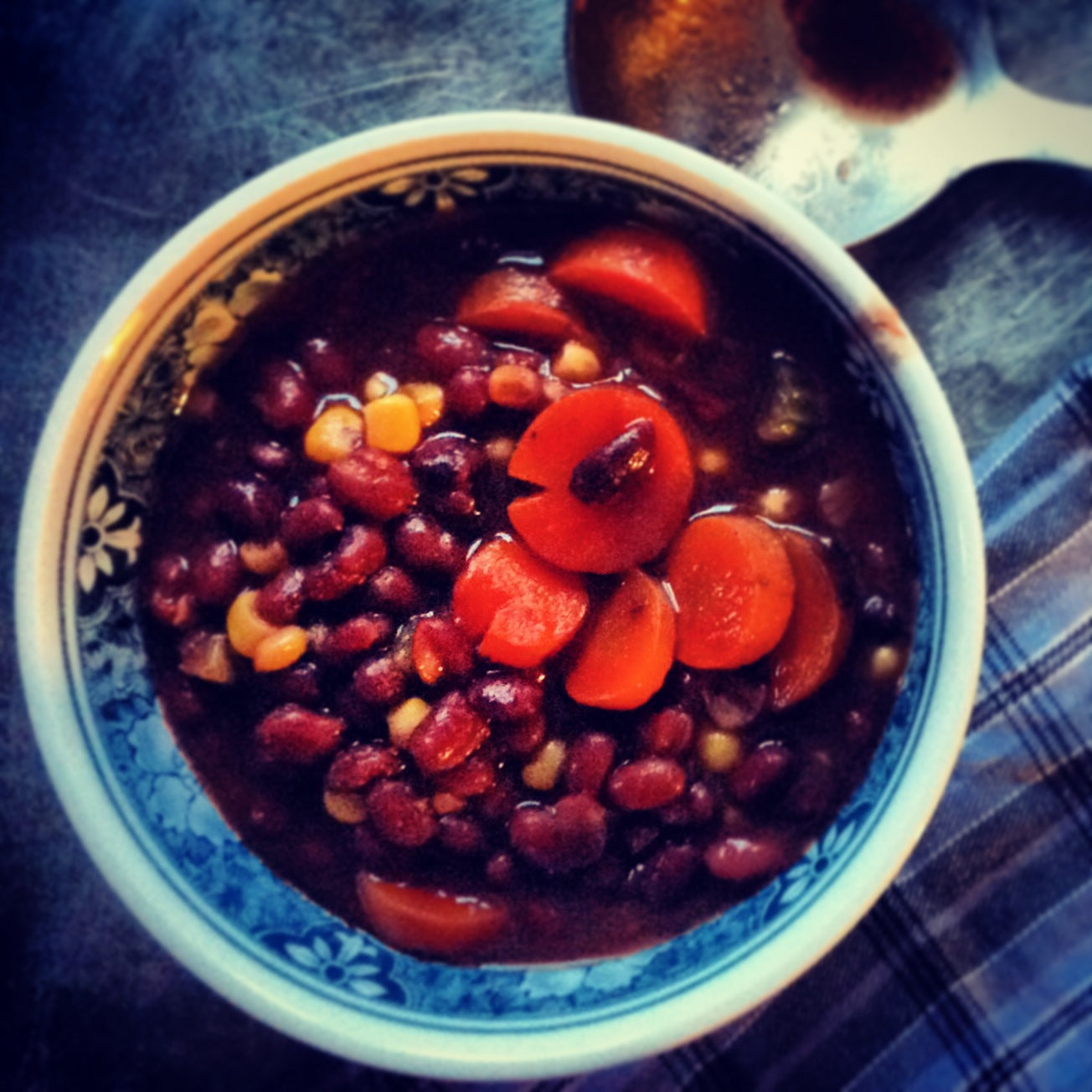
Red beans rumble, drip and slide,
Big Easy flavors, joy and pride!
The Heart of Mardi Gras in The Big Easy: Heritage, Music, and Food
Fat Tuesday, or Mardi Gras, is an exuberant celebration held annually on the day before Ash Wednesday. It marks the climax of the Carnival season—a time of joyous feasting, lively music, and colorful festivities before Lent begins. For centuries, Mardi Gras has been inseparable from New Orleans and Louisiana, where parades wind through the streets to the rich sounds of brass bands, laughter, and song.
The air pulses with jazz, zydeco, and blues, providing the soundtrack to this unique celebration. Revelers wear dazzling costumes adorned with beads, feathers, and masks—expressions of Louisiana’s diverse cultural heritage. Mardi Gras is more than a party; it’s a tapestry woven from French settlers, African slaves, Caribbean immigrants, and Native American tribes. The music channels centuries of joy and resilience, echoing through every parade and street corner.
Equally essential are the iconic dishes and drinks—gumbo, jambalaya, shrimp étouffée, po’boys, beignets, and Hurricanes. These aren’t just treats; they’re edible reflections of Louisiana’s rich cultural fusion and festive spirit, connecting revelers to generations past and satisfying both soul and senses.
Together, vibrant parades, contagious rhythms, and shared traditions create an immersive experience inviting all to celebrate life and community before the solemnity of Lent begins.
Ready to explore more unique flavors and culinary traditions? Check out the Epicurean Explorer Subscription Bags for curated ingredients, spice blends, and guides that bring global taste adventures right to your door.